TikTok’s 2026 Terms of Service Update: What Creators and Small Businesses Need to Know
On January 22, 2026, TikTok updated its Terms of Service and privacy policies for U.S. users, coinciding with its transition to the American-majority entity TikTok USDS Joint Venture LLC. While this corporate shift eased some regulatory concerns, the updated terms have sparked confusion and concern among creators, small businesses, and privacy-conscious users.
Here’s a breakdown of the most important changes, directly from TikTok’s own language — and what they mean for your brand or business.
Read the terms of service here: https://www.tiktok.com/legal/page/us/terms-of-service/en
AI DISCLAIMER: Did I use AI to help collate this information? Yes. What did I find? Tiktok also blocks AI from scanning its pages including the Terms of Service.
1. TikTok Can Collect Precise Location Data
TikTok now explicitly allows GPS-level location tracking with user permission. Previously, the platform primarily referenced approximate location (city or region), but the new policy clarifies that precise data may be collected when enabled.
Why it matters:
Your location history — including home, work, or frequently visited places — may be tied to your profile.
Small businesses can use this for more localized ad targeting, but creators and users should weigh privacy considerations.
Action step: Consider limiting location access in your device settings if precise tracking isn’t necessary.
2. Your Profile Info Can Be Used in Ads — Without Compensation
TikTok states:
“You give us permission to use your name, profile image and username, in connection with ads, sponsored gifts, offers, and other branded or sponsored content that you interact with, without any compensation to you…”
What this means:
Liking, commenting on, or interacting with ads may allow your identity to appear as “social proof” for brands.
Businesses should monitor brand associations, and creators should be aware their profiles may appear in promotional content without payment.
3. Drafts and Unposted Content May Be Analyzed
TikTok can analyze:
“Your Content and associated metadata” during the pre-uploading stage.
Important clarification: This practice is not entirely new, but the 2026 update makes it more explicit and clearly documented.
Implications:
Drafts, edits, and abandoned videos may not be fully private.
Creators and small businesses should avoid uploading sensitive or proprietary content unless comfortable with potential analysis.
4. Expanded Ad Tracking — On and Off TikTok
The updated terms confirm TikTok may use your data:
“…to customize ads and other sponsored content … that you see on and off the Platform based on … information from third parties.”
For small businesses:
TikTok’s ad targeting now extends beyond the app, enabling broader campaign reach.
For users, this reflects a wider advertising data ecosystem rather than a completely new practice.
5. AI Tools Collect Interaction Data
TikTok’s AI tools include a broad disclaimer:
“Output is provided ‘as is’… TikTok USDS Joint Venture does not endorse any content included in Output.”
What this means:
Inputs, prompts, outputs, and related metadata may be logged.
TikTok limits liability for inaccurate or inappropriate AI-generated content.
Businesses and creators should use AI cautiously when working with confidential or proprietary material.
6. Sensitive Personal Data Remains in Scope
The policy continues to allow collection of certain sensitive or protected-class information, which may include:
Immigration status
Religious beliefs
Sexual orientation
Mental health information
Important clarification: Much of this language existed in earlier policies; the 2026 update primarily clarifies and formalizes it rather than introducing entirely new data categories.
Combined with precise location and expanded ad tracking, this reinforces the importance of understanding how personal data may be used.
Why Small Businesses and Creators Are Paying Attention
Some experts and creators view these updates as a significant shift in transparency around data use. Key concerns include:
Reduced control over how identity may appear in ads
Increased visibility into pre-posted content and behavior
Users contributing value to the platform without direct compensation
For small businesses, the update underscores the need for intentional ad strategy, brand monitoring, and informed platform use.
Practical Steps to Protect Your Brand and Privacy
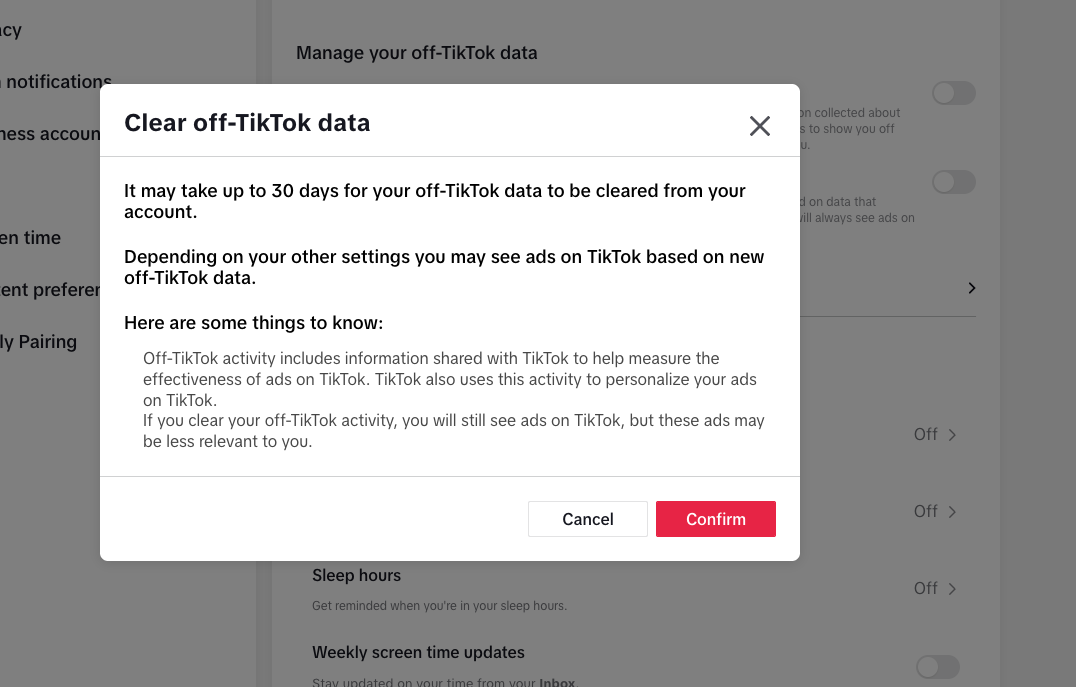
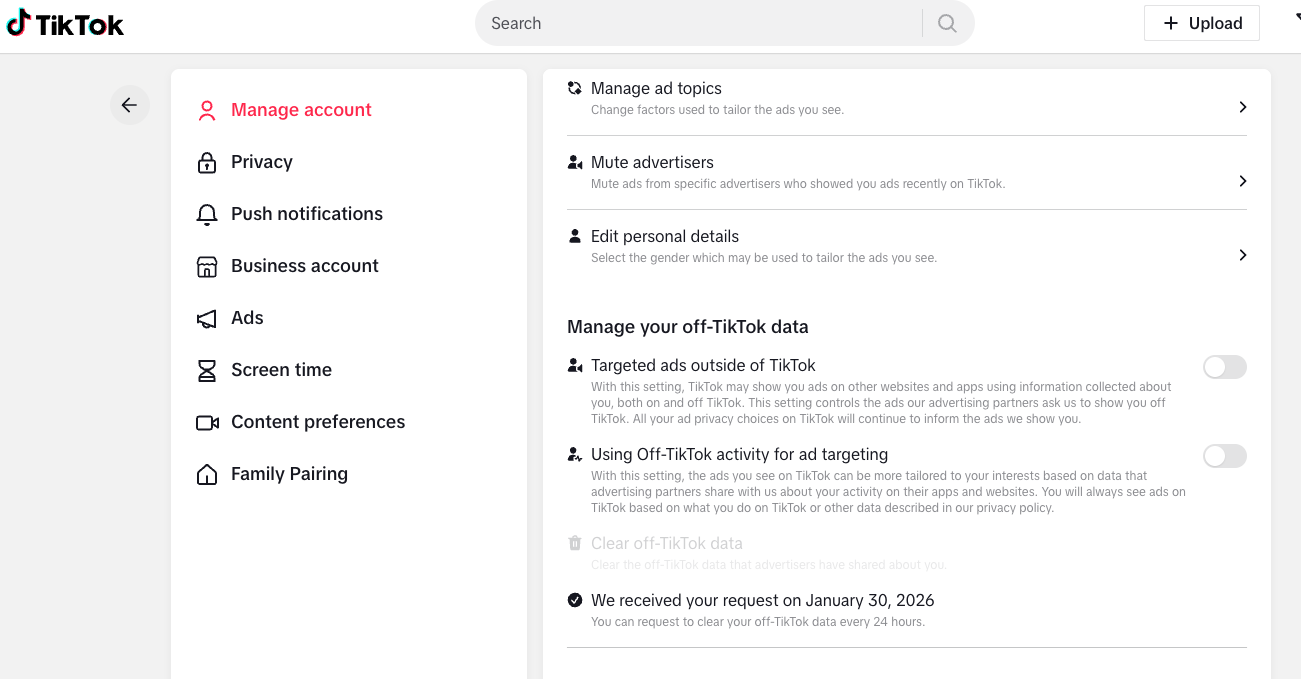
Review ad personalization settings inside TikTok.
Limit precise location access in your device settings if unnecessary.
Be mindful of ad interactions that could associate your identity with promotions.
Use AI tools cautiously when handling sensitive or proprietary information.
Even small adjustments can help protect your privacy and brand integrity.
Final Takeaway
TikTok’s 2026 Terms of Service update is less about entirely new data collection practices and more about expanded capabilities, clearer disclosures, and broader ad infrastructure. For creators, small businesses, and privacy-aware users, understanding these changes helps you make informed decisions about how you use the platform.
At Modern Social, we help small businesses and creators navigate social media ethically and strategically — protecting your brand while maximizing reach.